March 4, 2026
After spending years inspecting, repairing, and maintaining residential HVAC systems, one thing is clear: first-time homeowners are often caught off guard by how much their comfort depends on proper HVAC care. Your heating and cooling system quietly works year-round, and when it’s maintained correctly, most people never think about it. When it’s neglected, problems show up fast. This guide is written from a professional’s point of view to help homeowners understand what their HVAC system does, what basic upkeep they can handle, and when it makes sense to bring in trained technicians for reliable HVAC service. Knowing the difference protects your comfort, your budget, and your system’s lifespan.
HVAC Overview and Components
Understanding HVAC Systems
From a technician’s perspective, HVAC systems are designed to do more than heat or cool air. They regulate temperature, manage humidity, circulate fresh air, and filter out contaminants that affect indoor comfort and health. While modern systems are built to be durable, they still rely on routine care and professional HVAC service to operate properly. Homeowners who understand the basics of how their system functions are far less likely to overlook warning signs. That awareness also makes conversations with HVAC professionals more productive when service is needed.
Different Types of HVAC Systems
Over the years, professionals encounter a wide range of HVAC setups, each with advantages depending on the home. Split systems remain the most common, but ductless mini-splits are increasingly popular for additions or older homes. Packaged systems work well where indoor space is limited, while geothermal systems appeal to homeowners prioritizing efficiency and sustainability. Choosing and maintaining the right system isn’t just about preference—it requires evaluating home size, layout, and local climate, which is where experienced HVAC service providers offer real value.
Key Components of HVAC Systems
Every HVAC system relies on several critical components working together, and failure in one often affects the rest. Furnaces, heat pumps, air conditioners, ductwork, and thermostats each play a distinct role. From experience, issues often start with airflow problems or failing parts that aren’t obvious to homeowners. Routine inspections through professional HVAC service catch these problems early, long before comfort is affected. Understanding these components helps homeowners recognize why expert servicing matters.
The Role of Thermostats
Thermostats may look simple, but they control how hard an HVAC system works day after day. Poor programming or incorrect settings are common causes of unnecessary wear. Smart and programmable thermostats offer excellent control, but only when they’re installed and configured correctly. HVAC service technicians frequently correct setup issues that quietly drive up energy bills. When homeowners understand how thermostats influence system performance, they make smarter choices and know when to ask for professional help.
Energy Efficiency and HVAC Systems
Energy efficiency is one of the most frequent concerns professionals hear from homeowners. High-efficiency equipment helps, but real savings come from proper installation and consistent HVAC service. Systems with higher SEER ratings perform best when coils, filters, and airflow paths are clean and balanced. That level of performance is difficult to maintain without routine professional attention.
According to This Old House, regular maintenance can extend an HVAC system's lifespan to up to 20 years, maximizing your investment. Simple steps, such as ensuring clean filters and unobstructed vents, can further bolster energy efficiency.
Importance of Regular Maintenance
Enhancing System Longevity
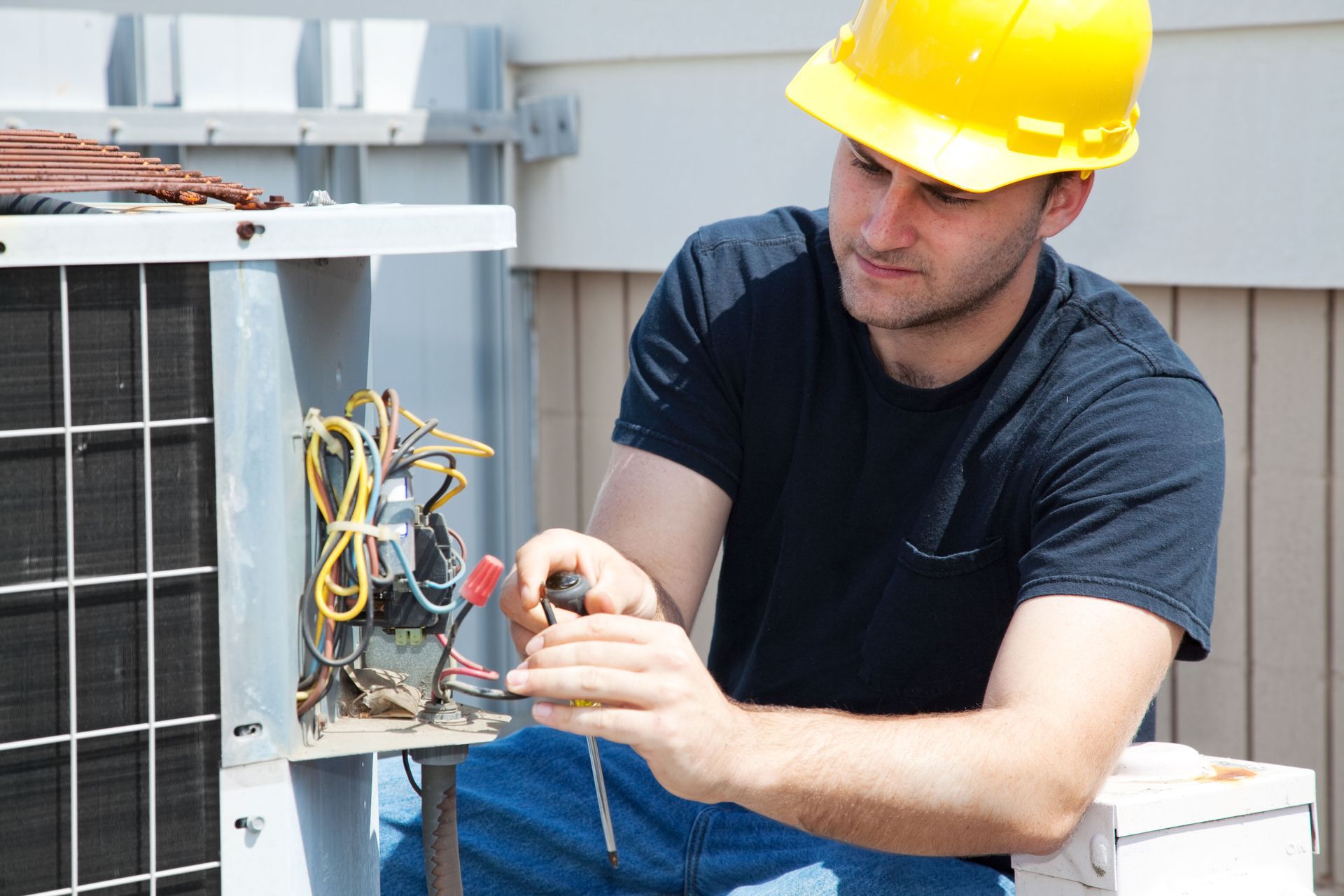
From a professional standpoint, most premature HVAC failures are preventable. Regular HVAC service keeps parts clean, lubricated, and properly calibrated. Small issues—like loose electrical connections or low refrigerant—can shorten system life if ignored. Routine professional maintenance protects that long-term investment and helps homeowners avoid early system replacement.
Reducing Energy Costs
When systems are dirty or misaligned, they work harder than necessary. HVAC service technicians frequently see high energy bills tied to simple maintenance oversights. Clean filters, proper airflow, and accurate thermostat calibration make a noticeable difference. While homeowners can handle basic tasks, professional tune-ups fine-tune efficiency in ways DIY efforts can’t match.
Improving Air Quality
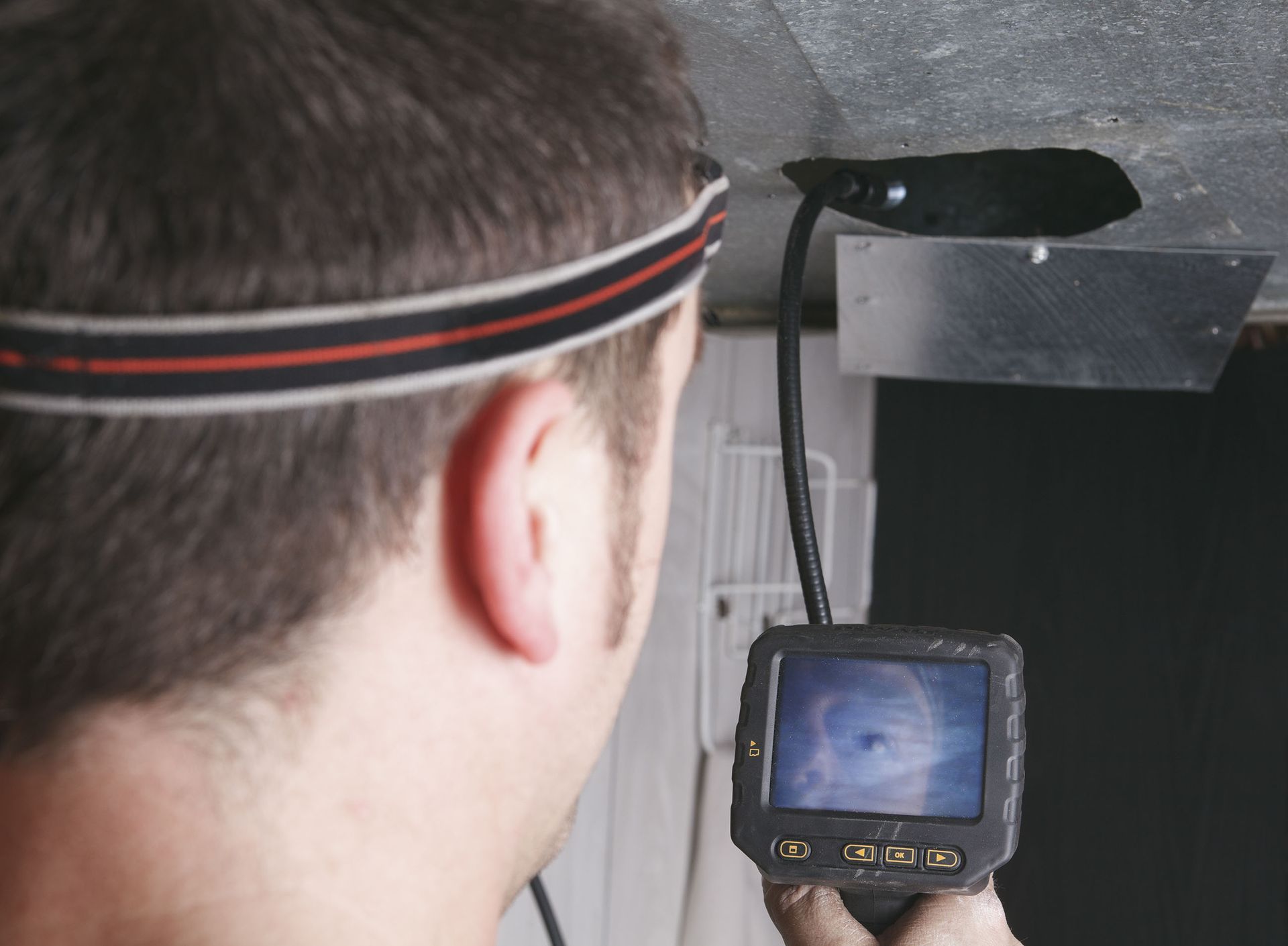
Indoor air quality problems often trace back to HVAC systems that haven’t received consistent HVAC service. Dust buildup, clogged filters, and moisture issues can circulate pollutants throughout the home. Professionals inspect areas homeowners can’t safely access, such as internal coils and drain systems. Regular service keeps air cleaner and reduces health risks.
Preventing Unexpected Breakdowns
Emergency HVAC calls often happen during extreme weather, when systems are under the most strain. From experience, many of these breakdowns show warning signs months earlier. Ongoing HVAC service identifies worn components before they fail outright. Preventive maintenance minimizes inconvenient and expensive surprises.
Maintaining Warranty Requirements
Manufacturers frequently require documented HVAC service to keep warranties valid. HVAC professionals understand these requirements and provide proper service records. Skipping professional maintenance can leave homeowners responsible for costly repairs. Staying compliant protects warranty coverage and system performance.
Seasonal Maintenance Tips
Spring Cleaning: Prepping for Cooling Season
Professionals recommend spring inspections before cooling demand spikes. Clearing debris, changing filters, and checking refrigerant levels prepares the system for heavier use. A professional HVAC service appointment catches issues that simple cleaning won’t. Early service reduces summer breakdown risk.
Summer Care: Maximizing Efficiency
During peak cooling months, small problems become big ones quickly. Professionals often see systems struggling due to restricted airflow or poor thermostat settings. Keeping vents clear helps, but regular HVAC service maintains performance under heavy demand.
Fall Preparations: Getting Ready for Heating
Heating systems sit idle for months, and professionals routinely find issues when they’re restarted too late. Early fall HVAC service allows time for repairs before cold weather arrives. Professional servicing provides peace of mind as temperatures drop.
Winter Checks: Ensuring Warmth
In winter, consistent heat depends on proper airflow and safe operation. Ice buildup or blocked components can reduce efficiency or cause failures. Professional HVAC service addresses these risks safely and thoroughly.
Year-Round Monitoring Strategies
Professionals encourage homeowners to stay observant year-round. Unusual noises, inconsistent temperatures, or rising energy bills deserve attention. While homeowners can spot changes, HVAC service professionals diagnose root causes before problems escalate.
DIY Maintenance Tasks
Replacing Air Filters
Filter replacement is one of the few tasks professionals strongly encourage homeowners to handle themselves. Clean filters support airflow and system efficiency. Combined with professional HVAC service, this simple task plays an important role in system health.
Cleaning Ducts and Vents
Keeping vents clear helps airflow, but deep duct cleaning often requires specialized equipment. HVAC service providers address buildup homeowners can’t reach safely. Knowing when to step back matters.
Inspecting and Clearing Condensate Drains
Condensate issues are common causes of water damage. Homeowners can monitor drains, but HVAC service professionals handle persistent blockages safely. Expert care prevents shutdowns and damage.
Checking Thermostat Settings
Correct thermostat use supports efficiency, but improper setup is common. HVAC service technicians frequently adjust settings homeowners didn’t realize were problematic. Professional configuration improves performance.
Visual Inspection for Leaks and Obstructions
Visual checks help catch early warning signs, but HVAC service professionals investigate deeper system issues. Refrigerant leaks or duct failures aren’t DIY repairs. Early detection supports effective professional solutions.
When to Call a Professional
Recognizing Warning Signs
Unusual sounds, poor airflow, or uneven temperatures often indicate problems beyond surface fixes. HVAC service professionals diagnose these symptoms accurately. Early intervention prevents costly failures.
Annual Professional Check-Ups
Annual inspections are the backbone of long-term system reliability. HVAC service technicians test components, clean critical areas, and verify performance. Consistent service extends system life.
Repairing Complex Issues
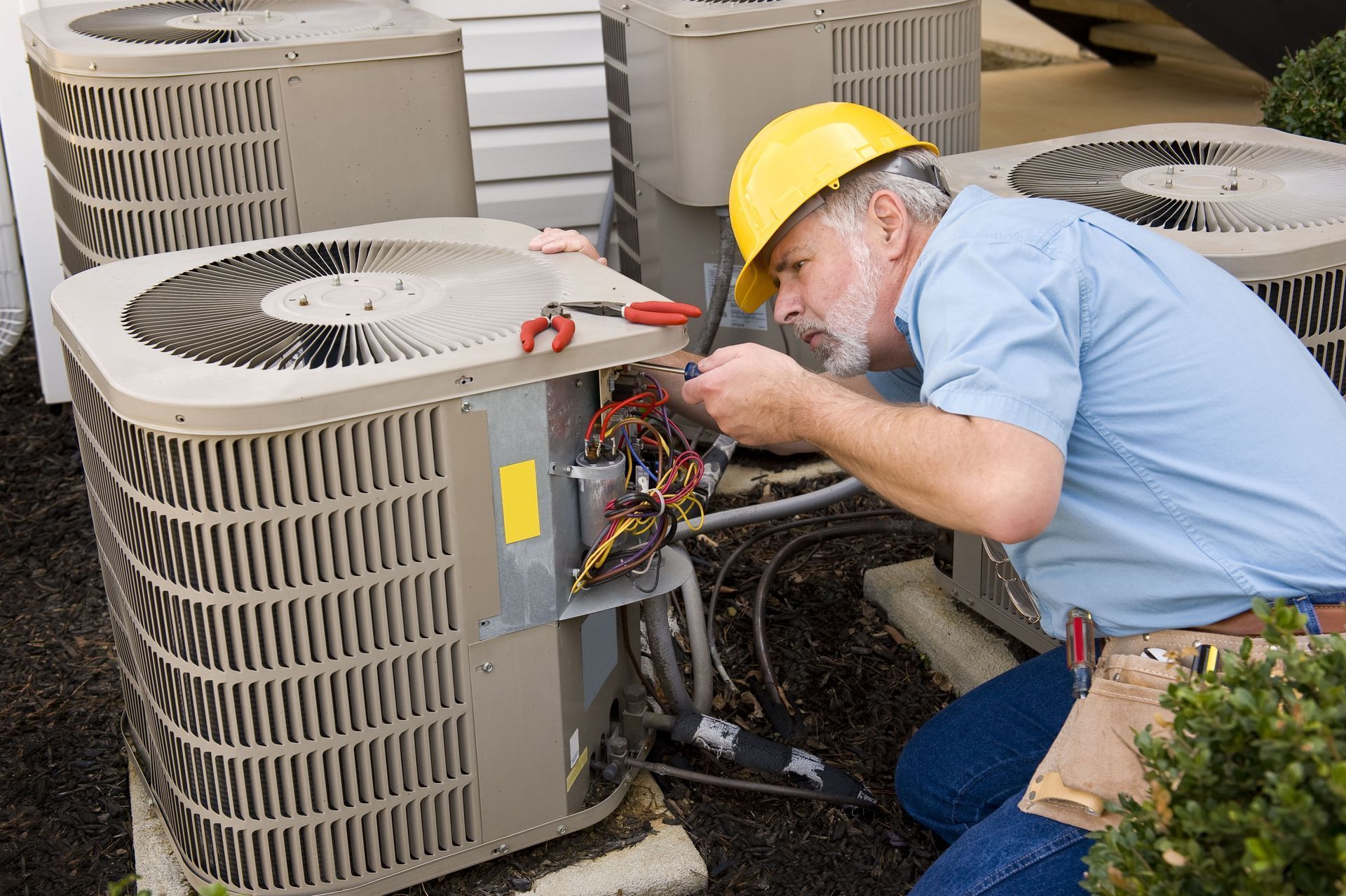
Electrical failures, refrigerant leaks, and mechanical problems require professional expertise. Certified HVAC service technicians resolve issues safely and effectively.
From a professional standpoint, HVAC systems perform best when homeowners stay informed and qualified technicians stay involved. Simple DIY care supports system health, but long-term reliability depends on consistent HVAC service. For first-time homeowners, the smartest approach blends awareness, routine upkeep, and trusted professional support. That partnership keeps your home comfortable, efficient, and dependable through every season. Contact Elite HVAC today to learn more.