September 26, 2026
Maintaining a comfortable, healthy, and energy-efficient home environment relies heavily on a properly functioning climate control system. Exploring the importance of regular HVAC inspections and understanding the optimal times to schedule them ensures peak performance, enhanced safety, and long-term cost-effectiveness. A proactive approach to system evaluation prevents unexpected breakdowns during peak weather seasons, improves indoor air quality, and protects your financial investment over the long term.
Heating and cooling units endure continuous operational stress throughout the year, making routine mechanical assessments an essential part of responsible homeownership. Neglecting scheduled upkeep often leads to undetected wear and tear, higher monthly utility bills, and premature equipment failure. By establishing a consistent schedule for professional assessments, homeowners can optimize overall system output, maintain continuous indoor comfort, reduce carbon emissions, lower utility costs, protect vital electrical components, and ensure their complex heating and cooling equipment operates safely and reliably through every season.
Evaluating Seasonal Needs for Optimal HVAC Inspection
Scheduling a thorough HVAC inspection before the beginning of each major heating or cooling season ensures that your system is fully prepared to handle peak climate demands. Springtime offers an ideal window to inspect air conditioning components, clean evaporator coils, and optimize energy efficiency before sweltering summer temperatures arrive. Similarly, fall checks focus on heating elements like furnaces and heat pumps, ensuring fuel connections, burner combustion, heat exchangers, and safety controls function correctly before severe winter weather sets in.
Booking an HVAC inspection outside of peak demand periods allows homeowners to avoid frustrating service delays and take full advantage of off-season maintenance scheduling. During extreme summer heatwaves or freezing winter storms, service providers face massive volumes of emergency repair calls, making routine appointments far more difficult to secure. Pre-season scheduling guarantees timely service, allowing technicians to spend adequate time thoroughly examining every mechanical component without the pressure of peak-season emergency backlogs.
Unpredictable regional weather patterns and sudden climate shifts may also necessitate unscheduled evaluations to prevent severe component strain and adapt system settings. Unseasonably warm winters or extended hot spells in early spring force units to operate under unexpected conditions, increasing mechanical stress on motors and compressors. Promptly addressing these weather-driven operational changes through targeted assessments helps maintain overall system integrity, prevents premature component breakdown, and keeps energy consumption fully optimized.
Recognizing Essential Indicators for an HVAC Inspection
Several clear physical, auditory, and operational signals indicate that your home requires an immediate professional HVAC inspection. Experiencing inconsistent temperature regulation across different rooms or noticing drastically reduced airflow from vents often points to leaking ductwork, clogged air filters, or failing zone dampers. Additionally, strange mechanical sounds such as clanking, grinding, hissing, or loud banging signal loose belts, failing motor bearings, or compressed air leaks that require swift professional attention to prevent cascading equipment damage.
Unexplained spikes in monthly energy bills without a corresponding increase in usage frequently stem from hidden internal system inefficiencies, dirty coils, or outdated mechanical technology forcing the unit to consume excess power. Physical signs like rust accumulation around metal housings, standing water leakage around condensate lines, or frequent system cycling also warrant an immediate evaluation. Addressing these early warning signs promptly prevents minor operational glitches from escalating into catastrophic mechanical failures.
Equipment age plays a critical role in determining whether a system requires more maintenance oversight or total replacement. According to HomeGuide, replacing an HVAC system is worth considering if it's over 10 years old and repair costs exceed 30% of a new unit. Routine checks catch minor wear and tear early, helping homeowners weigh repair costs against modern efficiency upgrades while preventing unexpected system failures during extreme weather conditions.
Establishing Best Practices for Annual HVAC Inspection Schedules
Creating a structured, recurring maintenance calendar is vital for consistent system performance, budget predictability, and long-term cost savings. Homeowners should align their regular HVAC inspection schedule with manufacturer warranty requirements, as many warranties mandate documented annual professional servicing to keep coverage valid. Integrating these check-ups alongside routine seasonal home upkeep, such as clearing roof gutters, inspecting window seals, or checking attic insulation, simplifies overall property management.
Maximizing equipment lifespan and operational safety depends heavily on securing qualified, certified technicians for every HVAC inspection. Professional contractors possess specialized diagnostic equipment, electrical testing tools, and technical expertise required to identify subtle component wear, recalibrate sensitive digital controls, and safely handle chemical refrigerants or gas fuel supply lines. Hiring certified professionals ensures that all diagnostic steps strictly adhere to regional building codes and safety regulations.
Adhering to best practices also involves keeping detailed service records after every professional visit. Documenting part replacements, performance measurements, and technician notes creates a historical operational timeline for your equipment. This ongoing maintenance history aids technicians during future troubleshooting calls, preserves real estate value when selling the home, and provides concrete documentation required by equipment manufacturers during warranty claims.
Extending System Longevity Through Regular HVAC Inspection
Comprehensive preventive maintenance directly extends the functional operational lifespan of heating, ventilation, and cooling equipment. A routine HVAC inspection identifies minor component wear, clears airflow paths, and verifies proper refrigerant levels before mechanical strain causes major motor or compressor failures. By resolving small mechanical issues early, homeowners preserve core equipment integrity, lower overall monthly utility expenses, and enjoy continuous indoor comfort without disruption.
In addition to financial and mechanical benefits, regular evaluations significantly enhance indoor air quality and household health. Technicians inspect, clean, and replace air filtration elements, removing trapped dust particles, mold spores, pet dander, and volatile organic compounds from circulating through living spaces. Proper ventilation maintenance prevents excess moisture buildup within ductwork, reducing the risk of biological growth and creating a healthier environment for allergy sufferers.
Avoiding costly emergency repair calls is one of the most substantial financial advantages of regular system evaluations. Unplanned emergency repairs often incur premium labor rates, expedited parts shipping fees, and extreme inconvenience during severe seasonal weather. Consistent upkeep keeps all system components operating within original design parameters, dramatically lowering the risk of sudden seasonal breakdowns and ensuring dependable, cost-effective performance year after year.
Leveraging Advanced Technologies During HVAC Inspection
Modern advancements in smart climate control technology are revolutionizing standard service routines and predictive maintenance capabilities. Smart HVAC systems equipped with integrated IoT sensors continuously monitor operational parameters like airflow velocity, temperature differentials, and electrical resistance, automatically alerting technicians to performance anomalies before complete component failure occurs. Remote diagnostic tools enable precise evaluations, ensuring system settings remain perfectly balanced for peak efficiency.
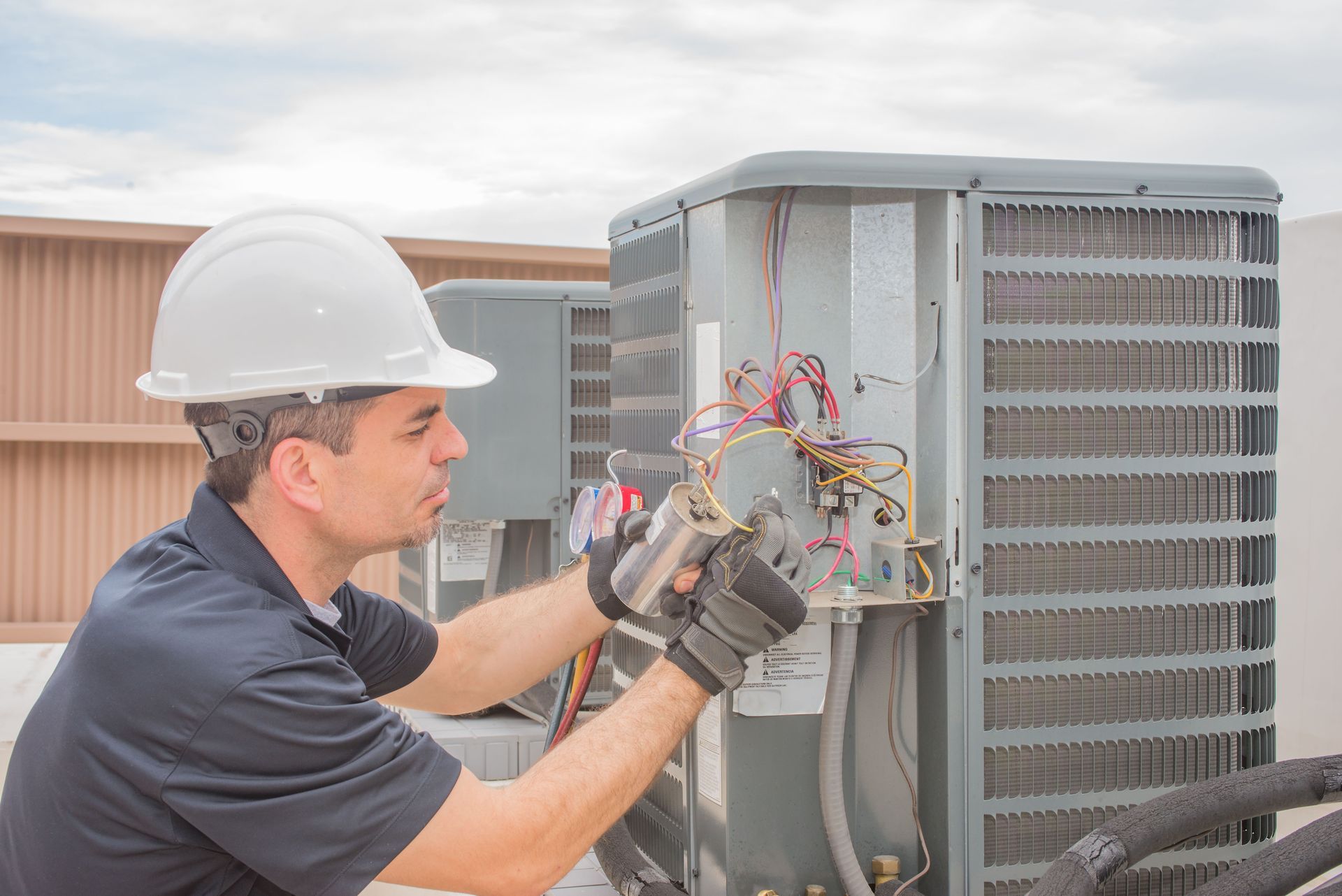
The integration of advanced diagnostic tools like thermal imaging cameras, digital manifold gauges, and airflow anemometers allows technicians to perform non-invasive, highly accurate assessments. Thermal imaging easily detects unseen duct leaks, electrical hot spots, and insulation gaps within walls, while digital diagnostic equipment provides precise real-time measurements of refrigerant pressure and electrical loads. Combining these modern diagnostic tools with traditional physical evaluation methods guarantees exhaustive mechanical care for your unit.
Adopting technological innovations alongside traditional hand-held testing methods delivers maximum system reliability, optimized operational efficiency, and lower overall energy consumption. As home automation continues to advance, combining smart predictive monitoring with skilled physical evaluations provides unmatched protection for your home's heating and cooling investment while drastically lowering long-term operating costs. For more information about the services that we offer, reach out to our incredible team at Elite HVAC today!